Why Your Daily Routine Might Be Harming Your Smile
You brush twice a day, avoid candy, and still deal with sensitivity or gum issues? I’ve been there. Turns out, everyday habits—like when you brush, what you drink, or how you floss—can quietly damage your oral health. These small missteps add up, affecting not just your mouth, but your confidence, sleep, and even how you eat. Let’s unpack the common pitfalls no one talks about and how fixing them can genuinely improve your daily life.
The Hidden Harm in Common Habits
Many people believe that as long as they brush their teeth regularly and avoid obvious sugary treats, their oral health is under control. Yet, millions still experience recurring sensitivity, bleeding gums, or early signs of enamel erosion—despite doing what they think is right. The truth is, some of the most common daily routines, performed with good intentions, may actually be undermining long-term dental wellness. These habits often go unnoticed because they don’t cause immediate pain or visible damage. Instead, they contribute to a slow decline in oral health, much like how poor posture gradually strains the spine. Over time, minor missteps accumulate, leading to discomfort, aesthetic concerns, and even dietary limitations.
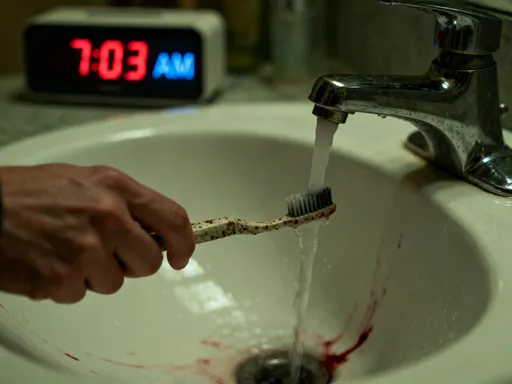
One of the most widespread yet overlooked issues is aggressive brushing. Many assume that harder brushing means cleaner teeth, but this couldn’t be further from the truth. Applying too much pressure or using a back-and-forth sawing motion can wear down enamel—the protective outer layer of the tooth—and lead to gum recession. Once enamel is lost, it does not regenerate. This leaves the underlying dentin exposed, which is more porous and sensitive to temperature changes, resulting in sharp discomfort when consuming hot or cold foods. Gum recession also creates pockets where bacteria can thrive, increasing the risk of periodontal disease. The irony is that the very act meant to protect oral health becomes a source of damage.
Another subtle but harmful habit is the overuse of whitening products. While a bright smile is often associated with health and youth, excessive use of whitening toothpastes, strips, or gels can erode enamel and increase tooth sensitivity. Many whitening agents contain abrasive particles or peroxides that, when used too frequently, compromise the tooth’s natural defenses. Additionally, skipping flossing—despite brushing diligently—leaves up to 40% of tooth surfaces uncleaned. Food particles and plaque accumulate between teeth, feeding harmful bacteria that produce acids. These acids attack enamel and irritate the gums, setting the stage for cavities and gingivitis. The consequences extend beyond the mouth: persistent bad breath, discomfort while eating, and diminished self-confidence in social situations.
What makes these habits particularly dangerous is their invisibility. There’s no immediate alarm, no flashing warning sign. Instead, the damage builds silently, often only becoming apparent when a dental visit reveals early decay or receding gums. The key to prevention lies in awareness—understanding that oral health is not just about frequency of care, but the quality and correctness of each action. Small adjustments, such as using gentle pressure while brushing or flossing daily with proper technique, can make a significant difference. Oral care is not a one-size-fits-all routine; it requires thoughtful, informed choices tailored to individual needs. By reevaluating common practices, individuals can shift from unintentional harm to effective protection, preserving both the function and appearance of their smile for years to come.
Morning Mistakes That Set the Tone for Damage
The morning routine sets the pace for the entire day, and for many, oral care is one of the first acts upon waking. However, even this well-intentioned ritual can contain hidden risks that compromise dental health from the very start. One of the most common errors is brushing immediately after breakfast. While it may seem logical to clean the teeth after eating, doing so—especially after consuming acidic foods or beverages—can do more harm than good. When acid from citrus fruits, coffee, or toast with jam comes into contact with teeth, it temporarily softens the enamel. Brushing during this vulnerable state can wear away the weakened surface, accelerating enamel erosion over time. This subtle but repeated damage may not be noticeable at first, but eventually leads to increased sensitivity and a higher risk of cavities.
Another issue lies in the type of toothpaste used in the morning. Many popular whitening or tartar-control formulas contain abrasive ingredients designed to remove surface stains. While effective for aesthetics, these pastes can be too harsh for daily use, particularly when enamel is already in a softened state after eating. Repeated use of such products can gradually strip away the protective layer, leaving teeth more susceptible to decay and discoloration. Additionally, rushing through the brushing process—spending less than the recommended two minutes—means plaque is not thoroughly removed, especially along the gumline and in hard-to-reach areas. This incomplete cleaning allows bacteria to flourish, increasing the likelihood of gum inflammation and bad breath.
A science-backed alternative begins with timing. Dental professionals recommend waiting at least 30 minutes after eating before brushing, allowing saliva to naturally neutralize acids and re-harden enamel. In the meantime, rinsing the mouth with water can help wash away food particles and reduce acidity. Choosing a fluoride toothpaste with low abrasivity supports remineralization without causing unnecessary wear. The brushing technique should involve gentle, circular motions rather than aggressive scrubbing, focusing on all surfaces of the teeth, including the often-neglected backs of molars. Incorporating a soft-bristled toothbrush further reduces the risk of gum irritation and recession.
Completing the morning routine with flossing and a fluoride mouth rinse enhances protection. Flossing removes debris between teeth where brushing cannot reach, while a fluoride rinse strengthens enamel and helps prevent decay. By reorganizing the sequence—eating, rinsing, waiting, then brushing—individuals can transform their morning routine from a potential source of damage into a powerful act of prevention. This small shift, grounded in dental science, not only preserves enamel but also promotes long-term comfort and confidence. Starting the day with mindful oral care lays the foundation for a healthier mouth and a more vibrant life.
Diet Choices That Surprise You
When it comes to oral health, sugar is often the primary villain in public awareness. However, the real threat lies not just in obvious sweets, but in the hidden acidity and sticky textures of many foods and drinks considered healthy. Citrus fruits like oranges and grapefruits, while rich in vitamin C, are highly acidic and can erode enamel with frequent consumption. Similarly, sports drinks, energy waters, and even flavored sparkling waters—marketed as fitness-friendly alternatives—are often loaded with citric or phosphoric acid. These acids lower the mouth’s pH, creating an environment where minerals leach out of the enamel, a process known as demineralization. Over time, this weakens the tooth structure, making it more prone to decay and sensitivity.
Another surprising culprit is dried fruit. Snacks like raisins, apricots, and cranberries are often promoted as nutritious, low-fat options, but they are also sticky and high in natural sugars. When these foods cling to the teeth, they provide a sustained food source for oral bacteria, which then produce acid as a byproduct. Unlike a piece of candy that is quickly consumed and washed away, dried fruit can remain lodged between teeth for hours, prolonging acid exposure. The frequency of consumption matters just as much as the quantity. Sipping on a smoothie throughout the morning or nibbling on granola bars between meals keeps the mouth in a constant acidic state, preventing saliva from restoring balance. This continuous cycle of acid attacks is far more damaging than eating the same amount in one sitting.
The solution is not elimination, but strategy. Enjoying acidic foods as part of a meal—rather than on their own—helps buffer their impact, as chewing stimulates saliva production, which naturally neutralizes acid. Using a straw when drinking acidic beverages can minimize contact with teeth, and rinsing with water afterward helps clear residual sugars and acids. Choosing fresh fruit over dried versions reduces stickiness, and pairing acidic foods with cheese or nuts can help neutralize pH levels. Timing also plays a crucial role: consuming potentially harmful foods during main meals, when saliva flow is highest, reduces their damaging potential.
Reading labels is another essential step. Many packaged foods contain hidden sugars, even in items labeled as “healthy” or “low-fat.” Ingredients like high-fructose corn syrup, maltose, and dextrose feed oral bacteria just like table sugar. Opting for whole, unprocessed foods and limiting between-meal snacking supports both oral and overall health. By becoming more aware of the hidden risks in everyday choices, individuals can enjoy a varied diet without compromising their smile. The goal is not perfection, but balance—making informed decisions that protect enamel while still allowing for enjoyment and nutrition.
The Flossing Lie We’ve All Believed
Flossing is one of those habits many people claim to do daily—yet studies show that only about 30% of adults floss regularly, and even fewer do it correctly. The common misconception is that flossing is only about removing visible food particles, such as a piece of spinach or meat stuck between teeth. While that is a benefit, the true purpose of flossing is far more significant: it disrupts bacterial colonies that form plaque along the gumline and between teeth. These colonies, if left undisturbed, harden into tartar within 24 to 72 hours, leading to inflammation, gum disease, and eventually tooth loss. Brushing alone cannot reach these tight spaces, making flossing an irreplaceable part of oral hygiene.
Yet, many people perform a quick “sawing” motion between teeth, believing this is sufficient. In reality, this method does little to remove plaque and can actually damage delicate gum tissue. Proper flossing involves gently guiding the floss down between teeth, curving it into a C-shape around each tooth, and moving it up and down several times to scrape away bacteria. This technique requires patience and consistency, not speed. When done correctly, flossing reduces the risk of gingivitis—the earliest stage of gum disease—characterized by red, swollen, or bleeding gums. Left untreated, gingivitis can progress to periodontitis, a more severe condition that affects the supporting structures of the teeth and has been linked to systemic inflammation, heart disease, and complications in diabetes management.
The consequences of poor flossing extend beyond the mouth. Chronic bad breath, or halitosis, is often caused by decaying food particles and bacterial buildup in areas unreachable by a toothbrush. This can affect social confidence and interpersonal relationships. Additionally, gum disease has been associated with increased systemic inflammation, which may impact overall health and well-being. For women, especially those over 40, hormonal changes can make gums more sensitive and prone to infection, making consistent flossing even more critical.
Overcoming the flossing gap requires both education and habit formation. Some find traditional floss difficult to use, especially if they have dexterity issues or tightly spaced teeth. In such cases, alternatives like floss picks, water flossers, or interdental brushes can be effective, as long as they are used properly. The key is daily consistency—flossing once a day, preferably before bedtime, to remove the day’s accumulation of plaque. It’s not about perfection, but persistence. Over time, proper flossing becomes a natural part of the routine, leading to healthier gums, fresher breath, and greater peace of mind.
Your Toothbrush: Weapon or Wound Causer?
The toothbrush is the most essential tool in daily oral care, yet it is also one of the most commonly misused. Many people choose their brush based on marketing claims—such as “deep clean” or “tartar control”—without considering whether the bristles are appropriate for their needs. Medium or hard-bristled brushes are still widely available and often preferred by those who believe firmer bristles clean better. However, dental research consistently shows that soft-bristled brushes are just as effective at removing plaque while being significantly gentler on gums and enamel. Hard bristles increase the risk of gum recession and enamel abrasion, especially when combined with aggressive brushing techniques.
Another critical factor is brush age. Most people use their toothbrush for months beyond the recommended replacement window. The American Dental Association advises replacing a toothbrush every three to four months, or sooner if the bristles become frayed. Worn bristles lose their flexibility and effectiveness, reducing their ability to remove plaque and increasing the likelihood of gum irritation. Additionally, a toothbrush can harbor bacteria, especially if stored in a closed container or shared with others. Rinsing thoroughly after use and allowing it to air dry helps minimize microbial growth, but regular replacement remains the best defense against contamination.
Technique is equally important. The ideal brushing method involves holding the brush at a 45-degree angle to the gumline and using gentle, circular motions. This allows the bristles to clean along the gumline without forcing them into the gums. Horizontal scrubbing, a common habit, can lead to notched areas at the base of the teeth, known as abrasion lesions, which are both unsightly and sensitive. Electric toothbrushes can aid in proper technique, many featuring pressure sensors and timers to ensure even cleaning and prevent overbrushing. However, even the most advanced tool is ineffective without correct use.
Choosing the right toothbrush also means considering individual needs. Those with sensitive teeth or receding gums benefit from ultra-soft bristles and smaller brush heads that can reach tight spaces. Children, older adults, or individuals with arthritis may find electric or ergonomic handles easier to manage. The goal is not to scrub harder, but to clean smarter. A toothbrush, when selected and used wisely, becomes a powerful ally in maintaining oral health. But in the wrong hands, it can become a source of long-term damage. By prioritizing gentleness, consistency, and proper maintenance, individuals can ensure their brushing routine supports, rather than undermines, their smile.
Mouthwash: Help or Harm?
Mouthwash is often viewed as the final touch in an oral care routine—a quick swish to leave the mouth feeling fresh and clean. While it can provide benefits, it is not a substitute for brushing and flossing, and its misuse can lead to unintended consequences. There are several types of mouthwash available, each serving a different purpose. Antiseptic rinses, often containing ingredients like chlorhexidine or cetylpyridinium chloride, help reduce bacteria and plaque. Fluoride mouthwashes strengthen enamel and help prevent decay. Alcohol-based formulas offer a strong cleansing sensation but can dry out oral tissues, disrupt the natural balance of the oral microbiome, and cause irritation, especially in individuals with sensitive gums or dry mouth.
One of the most common mistakes is using mouthwash immediately after brushing. Many people rinse right after spitting out toothpaste, not realizing they are washing away the concentrated fluoride left behind by the toothpaste. This fluoride is essential for remineralizing enamel and protecting against decay. To maximize its benefit, it’s best to wait at least 30 minutes after brushing before using mouthwash, or to use it at a different time of day altogether, such as after lunch. Overuse of antibacterial mouthwashes can also eliminate beneficial bacteria, potentially leading to an overgrowth of harmful microbes or oral thrush, a fungal infection.
The ideal use of mouthwash is as a supplement, not a replacement. For individuals prone to cavities, a fluoride rinse used once daily can provide added protection. Those with gingivitis may benefit from a short-term course of antiseptic rinse, but long-term use should be guided by a dentist. Alcohol-free formulas are generally safer for daily use, particularly for older adults or those taking medications that reduce saliva flow. Rinsing for the full recommended time—usually 30 seconds to one minute—ensures proper contact with all oral surfaces.
Ultimately, mouthwash should fit into a broader oral care strategy. It can enhance freshness, support gum health, and provide extra defense against decay when used correctly. But it cannot compensate for poor brushing or skipped flossing. By understanding the different types and using them at the right time and frequency, individuals can harness the benefits of mouthwash without falling into the trap of overreliance or misuse.
From Mouth to Life: Connecting Oral Health to Daily Living
Oral health is not an isolated concern—it is deeply intertwined with overall quality of life. A healthy mouth enables clear speech, comfortable eating, and confident social interactions. When teeth are painful, sensitive, or unattractive, people often change their behavior in subtle but meaningful ways. They may avoid smiling in photos, skip meals that require chewing, or withdraw from conversations due to self-consciousness about bad breath. These adjustments, while small, can erode self-esteem and reduce enjoyment of daily activities. Conversely, maintaining good oral health supports a more vibrant, engaged life. Being able to eat a variety of foods, speak clearly, and smile without hesitation contributes to emotional well-being and social confidence.
Moreover, oral health impacts physical comfort and rest. Dental pain or infection can disrupt sleep, leading to fatigue, irritability, and difficulty concentrating. Gum disease has been linked to systemic inflammation, which may affect other aspects of health, including cardiovascular function and blood sugar regulation. For busy women managing households and careers, uninterrupted sleep and consistent energy levels are essential. Preventing oral problems is not just about avoiding the dentist’s chair—it’s about preserving daily comfort and functionality.
The good news is that most dental issues are preventable with informed, consistent care. It’s not about achieving perfection, but making sustainable choices that align with science and personal needs. Small changes—like switching to a soft-bristled brush, waiting to brush after meals, or flossing with proper technique—can yield long-term benefits. Regular dental checkups play a crucial role, allowing professionals to catch problems early and provide personalized guidance. Prevention is always more effective—and less costly—than treatment.
Ultimately, oral health is a reflection of self-care. It represents a commitment to one’s well-being, not just in appearance, but in function and confidence. By reevaluating daily habits and making thoughtful adjustments, individuals can protect their smiles and enhance their lives. A healthy mouth is not a luxury—it’s a foundation for living fully, comfortably, and with dignity at every age.