Why My Hair Finally Grew Back — A Real Fix That Actually Works
Losing hair quietly chips away at confidence, even if you never admit it. I struggled for years with thinning hair, trying everything from fancy shampoos to stress fixes. Nothing helped—until I treated it like body repair, not just beauty care. Turns out, healthy hair isn’t about products; it’s about what’s happening beneath the surface. This is how I found a method that truly made a difference. It wasn’t a miracle serum or a viral TikTok trend—it was a shift in mindset, a deeper understanding of how the body works, and the courage to look beyond the mirror.
The Moment I Realized It Wasn’t Just Hair Loss
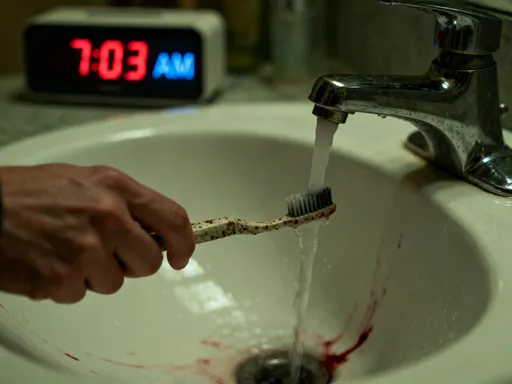
For a long time, I dismissed my hair thinning as a natural part of aging. Everyone said it happened—especially after 35. But when I started finding clumps in the shower drain, on my pillow, and in my brush every morning, I knew something was off. It wasn’t just the visible loss; it was how I felt overall. I was tired all the time, even after eight hours of sleep. My skin felt dry no matter how much moisturizer I used, and my nails would split with the slightest pressure. I used to joke that I was just “getting old,” but deep down, I sensed my body was sending signals I’d been ignoring.
That moment of realization came on a quiet Tuesday morning. I was getting ready for work, and as I tied my hair back, I caught a glimpse of my scalp in the mirror. The part was wider than it used to be, and the strands near my temples looked fragile. I didn’t cry—I just felt a deep sense of helplessness. But then, a thought surfaced: what if this isn’t just about hair? What if my body was trying to tell me something more serious was going on? That question changed everything. I began to see my hair not as a vanity issue, but as a symptom—a visible clue pointing to something deeper inside.
Research soon confirmed my suspicion. Hair is one of the most sensitive barometers of internal health. Unlike organs we can’t see, hair gives us immediate, tangible feedback. When the body is under stress, nutrient-deficient, or dealing with hormonal imbalances, hair often shows it first. Dermatologists and functional medicine experts agree: chronic hair shedding is rarely isolated. It’s commonly linked to fatigue, digestive issues, skin problems, and even mood fluctuations. Recognizing this connection helped me stop blaming myself and start seeking real answers. I shifted from asking “How can I cover this up?” to “What is my body trying to heal?”
Breaking the Myth: Hair Care Isn’t Just About Shampoos and Serums
Like many women, I spent years chasing solutions in the beauty aisle. I bought shampoos labeled “for thinning hair,” scalp serums with fancy botanicals, and conditioners promising “instant fullness.” I even tried laser caps and expensive salon treatments. None delivered lasting results. What I didn’t understand then was that these products only address the surface—like polishing a car with an engine problem. Healthy hair doesn’t start at the scalp; it starts in the bloodstream, the gut, and the cells where growth actually happens.
The truth is, hair follicles are living structures fed by blood supply, regulated by hormones, and influenced by inflammation levels. When internal systems are out of balance, no amount of topical treatment can fully correct the issue. For example, if your body lacks iron or protein, your follicles won’t have the building blocks they need to produce strong hair. If cortisol—the stress hormone—is chronically elevated, it can push hair follicles into a resting phase too soon, leading to shedding. And if your gut isn’t absorbing nutrients properly, even a perfect diet may not help.
Understanding the hair growth cycle made this clearer. Hair grows in three phases: anagen (growth), catagen (transition), and telogen (resting). Normally, about 90% of hair is in the growth phase at any time. But when the body is under stress or nutrient-deficient, more follicles shift into the resting phase, and fewer return to growth. This imbalance leads to visible thinning. The key isn’t to force hair to grow—it’s to create the right internal environment so growth can happen naturally. That’s why treating hair loss as a cosmetic issue often fails. Lasting change requires a shift from external fixes to internal support.
What “Body Repair” Really Means for Hair Regrowth
When I first heard the term “body repair,” I thought it sounded vague—almost like wellness jargon. But over time, I learned it’s a powerful concept grounded in science. Body repair means restoring the body’s natural ability to function, heal, and regenerate. It’s not about extreme diets or aggressive treatments. It’s about supporting the systems that keep us alive—digestion, circulation, hormone regulation, and cellular renewal—so every part of us, including hair, can thrive.
Think of your body like a garden. You can water the plants (your hair), but if the soil is depleted, the roots are weak, and the sun isn’t reaching them, nothing will grow well. Body repair is about enriching the soil—improving nutrient absorption, reducing inflammation, balancing hormones, and supporting metabolic health. When these systems work well, hair regrowth becomes a natural byproduct of overall wellness.
One of the most important aspects of body repair is rest. Sleep isn’t just downtime—it’s when the body repairs tissues, balances hormones, and clears out cellular waste. Poor sleep disrupts cortisol and melatonin levels, both of which affect hair growth. Digestion is another pillar. If your gut isn’t breaking down food properly or your microbiome is imbalanced, nutrients won’t reach your hair follicles, no matter how healthy your diet seems. And metabolic recovery—how well your body converts food into energy—determines whether your cells have the fuel they need to grow and repair. Supporting these systems doesn’t happen overnight, but it creates a foundation for lasting change.
The Three Root Causes I Fixed (And You Can Too)
After months of research and working with a healthcare provider, I identified three root causes behind my hair loss. Fixing them didn’t require drastic measures—just consistent, science-backed choices. The first was chronic low-grade stress. I didn’t feel “stressed” in the traditional sense—no panic attacks or burnout—but my body was under constant low-level pressure. I was juggling work, family, and household responsibilities, often skipping meals or eating on the go. Over time, this kept my cortisol levels elevated, which directly impacts the hair growth cycle. High cortisol can shrink hair follicles and shorten the growth phase, leading to more shedding. The solution wasn’t quitting my life—it was building in small moments of calm: morning breathing exercises, short walks, and setting boundaries around work hours.
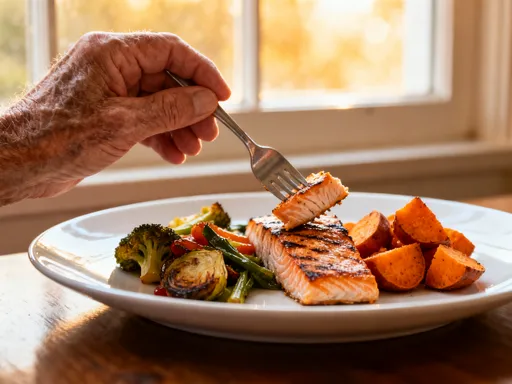
The second cause was nutrient gaps. Blood tests revealed I was low in iron, zinc, and vitamin B12—three nutrients critical for hair health. Iron carries oxygen to hair follicles; without enough, growth slows. Zinc supports cell reproduction and protein synthesis, both essential for hair. B12 helps with red blood cell production, which delivers nutrients to the scalp. I wasn’t eating poorly, but my diet lacked variety and consistency. I often skipped protein, relied on processed snacks, and didn’t prioritize iron-rich foods. Correcting this meant adding more lean meats, legumes, leafy greens, and fortified foods. I also worked with my doctor on supplementation, ensuring levels were restored safely and monitored over time.
The third cause was gut health. I didn’t have digestive symptoms like bloating or pain, but testing showed an imbalance in my gut microbiome. This matters because a healthy gut lining absorbs nutrients efficiently, while an imbalanced one can lead to “leaky gut,” inflammation, and poor nutrient uptake. I began eating more fiber-rich vegetables, fermented foods like yogurt and sauerkraut, and reduced processed sugars that feed harmful bacteria. I also took a high-quality probiotic after consulting my doctor. Within months, my energy improved, my skin cleared, and my hair began to show signs of recovery. These three fixes—stress management, nutrient support, and gut healing—worked together to create the internal environment my hair needed.
My Daily Routine That Changed Everything
One of the biggest shifts was creating a daily routine that supported body repair without feeling overwhelming. I didn’t overhaul my life overnight. Instead, I focused on small, sustainable habits that added up over time. In the morning, I started with a glass of water with lemon—simple, but it helped rehydrate after sleep and gently stimulated digestion. I avoided caffeine on an empty stomach, which used to spike my cortisol. Instead, I ate a balanced breakfast within an hour of waking: something with protein, healthy fats, and complex carbs, like eggs with avocado and whole grain toast.
Light movement became part of my routine—not intense workouts, but 20-minute walks, stretching, or gentle yoga. This helped reduce stress hormones and improve circulation, which benefits the scalp. I also practiced mindful eating: sitting down for meals, chewing slowly, and avoiding screens. This improved digestion and helped me tune into hunger and fullness cues. I stopped restrictive dieting, which had only worsened my hair loss. Instead, I focused on nourishment—eating real, whole foods that provided sustained energy and essential nutrients.
Evening was just as important. I created a wind-down routine to support sleep quality: turning off screens by 9 p.m., reading a book, and doing a short breathing exercise. I kept my bedroom cool and dark, which supports melatonin production. Sleep isn’t just rest—it’s prime time for cellular repair, hormone regulation, and tissue growth. By improving my sleep hygiene, I gave my body the time it needed to heal. These daily habits didn’t feel like a “hair regrowth program”—they felt like self-care. And that made them easier to stick with long-term.
When to Seek Professional Help — And Why I Did
While lifestyle changes made a big difference, I didn’t do this alone. I reached out to a healthcare provider when I noticed sudden, patchy hair loss and changes in my scalp texture. These are red flags that shouldn’t be ignored. A dermatologist or primary care doctor can rule out conditions like alopecia areata, thyroid disorders, or autoimmune issues. They can also order blood tests to check for nutrient deficiencies, hormone imbalances, and inflammation markers.
Going to a professional was one of the best decisions I made. Self-diagnosing or relying on internet advice can lead to missed diagnoses or unsafe practices. For example, taking iron supplements without knowing your levels can be dangerous—too much iron can damage organs. A doctor helped me interpret my test results, recommended safe supplementation, and monitored my progress. They also ruled out underlying conditions that could mimic hair loss, like polycystic ovary syndrome (PCOS) or chronic inflammation.
Working with a professional didn’t mean giving up control—it meant gaining clarity. I learned what my body actually needed, not what a influencer or product label claimed. This partnership made my approach safer, more effective, and more personalized. It also gave me peace of mind, knowing I wasn’t overlooking something serious. If you’re experiencing unexplained hair loss, don’t wait. Early intervention can prevent further shedding and support faster recovery.
Long-Term Results and What I Wish I Knew Sooner
The changes didn’t happen overnight. In the first three months, I noticed less shedding—fewer hairs in the drain, less on my brush. By six months, new growth appeared as soft, fine hairs along my hairline and part. They were barely visible at first, but I could feel them. At one year, my hair was noticeably thicker, fuller, and stronger. My scalp was healthier, and styling felt easier. The emotional shift was just as powerful. I went from feeling defeated to feeling empowered. I realized I wasn’t broken—I was healing.
What I wish I’d known sooner is that hair health is not a quick fix. It’s a reflection of long-term care. The body takes time to repair, and hair grows slowly—about half an inch per month. Expecting immediate results sets you up for disappointment. But consistency pays off. Every nourishing meal, every good night’s sleep, every moment of stress reduction adds up. I also wish I’d understood that self-care isn’t selfish. Taking time to rest, eat well, and manage stress isn’t indulgent—it’s essential for health, inside and out.
Today, I view hair health as part of my overall well-being. I still follow my routine, not because I’m chasing perfection, but because I value how I feel. My hair is stronger, but so is my energy, my skin, and my resilience. The journey taught me to listen to my body, trust science, and honor the slow, steady work of healing. If I could regain my hair through patience and care, so can you. Because healthy hair doesn’t come from a bottle—it starts from within.