How I Keep Stress from Wrecking My Health — Simple Moves That Actually Work
Stress isn’t just mental—it can quietly harm your body over time, increasing the risk of serious health issues. I used to ignore it until I noticed real physical changes. Now, I focus on small, science-backed habits that help me manage stress daily. These aren’t quick fixes, but practical strategies that support long-term well-being and help prevent stress-related illnesses. Let me walk you through what really works.
The Hidden Cost of Chronic Stress
Chronic stress does far more than make you feel overwhelmed—it triggers a cascade of biological responses that, when left unchecked, can damage nearly every system in the body. When the brain perceives a threat, whether real or imagined, it activates the hypothalamic-pituitary-adrenal (HPA) axis, leading to the release of stress hormones like cortisol and adrenaline. These hormones prepare the body for a fight-or-flight response, increasing heart rate, sharpening focus, and redirecting energy. While this mechanism is essential in emergencies, repeated or prolonged activation can become harmful. Over time, elevated cortisol levels contribute to inflammation, disrupt metabolic function, and impair immune defenses, setting the stage for long-term health problems.
One of the most concerning effects of chronic stress is its impact on the cardiovascular system. Persistent high blood pressure, caused by frequent spikes in stress hormones, strains the arteries and increases the risk of heart disease and stroke. Studies have shown that individuals with high-stress lifestyles are more likely to develop hypertension, even when other risk factors like diet and exercise are controlled. In addition, stress can promote the buildup of plaque in the arteries, a condition known as atherosclerosis, which further compromises blood flow and heightens the danger of cardiac events. For women, particularly those in midlife, this risk becomes even more pronounced due to hormonal changes that can amplify the body’s stress response.
Beyond the heart, stress affects digestion, sleep, and immune function in ways that are often overlooked. Many people experience gastrointestinal issues such as bloating, constipation, or irritable bowel syndrome (IBS) during stressful periods. This is not coincidental—there is a strong connection between the brain and the gut, often referred to as the gut-brain axis. Stress signals can disrupt the balance of gut bacteria, slow digestion, and increase intestinal sensitivity, leading to discomfort and long-term digestive disorders. Similarly, the immune system becomes less effective under chronic stress, making the body more vulnerable to infections and slowing recovery from illness. This weakened immunity is why many women notice they catch colds more easily during particularly demanding times.
Equally important are the subtle but telling symptoms that serve as early warnings. Fatigue, frequent headaches, muscle tension, and difficulty concentrating are common signs that stress is taking a physical toll. Sleep disturbances, including trouble falling asleep or waking up too early, are also strongly linked to stress. These symptoms often go unaddressed because they are dismissed as normal parts of a busy life. However, when they persist, they signal that the body is struggling to regain balance. Recognizing these signs early allows for timely intervention before more serious conditions like diabetes, depression, or autoimmune disorders develop. The key is not to wait for a crisis but to treat stress as a legitimate health concern worthy of daily attention.
Why Quick Stress Relief Matters for Disease Prevention
Interrupting the stress response quickly is one of the most effective ways to prevent long-term damage to the body. When stress is not managed, the continuous release of cortisol leads to systemic inflammation, a known contributor to many chronic diseases, including heart disease, type 2 diabetes, and certain cancers. Inflammation is the body’s natural defense mechanism, but when it becomes chronic due to unrelenting stress, it begins to attack healthy tissues instead of protecting them. This internal wear and tear, sometimes called “inflammatory aging,” accelerates the decline of organ function and reduces overall resilience. Therefore, even brief moments of stress relief can serve as protective pauses, giving the body a chance to reset and reducing the cumulative burden on physiological systems.
Short, consistent interventions are more effective than occasional deep relaxation sessions because they help regulate the nervous system on a daily basis. The autonomic nervous system has two main branches: the sympathetic system, which activates during stress, and the parasympathetic system, which promotes rest and recovery. When stress dominates, the sympathetic system remains overactive, keeping the body in a state of high alert. Simple practices that activate the parasympathetic response—such as deep breathing, mindful pauses, or gentle movement—can shift the balance back toward calm. These micro-moments of recovery do not require large time investments, yet they cumulatively strengthen the body’s ability to return to equilibrium after stress exposure.
Moreover, the benefits of regular stress relief extend beyond immediate comfort. Research has shown that individuals who engage in daily relaxation techniques have lower levels of inflammatory markers such as C-reactive protein (CRP) and improved heart rate variability (HRV), an indicator of cardiovascular health and stress resilience. These measurable improvements highlight the preventive power of consistent, small-scale habits. Unlike dramatic lifestyle overhauls that are hard to maintain, brief and repeatable actions are more sustainable and accessible, especially for women juggling family, work, and personal responsibilities. By integrating these practices into everyday routines—such as taking three deep breaths before answering a phone call or pausing to stretch after sitting for an hour—women can build a buffer against the slow erosion of health caused by chronic stress.
Breathing Like a Pro: The 4-7-8 Method
One of the most powerful and accessible tools for calming the nervous system is the 4-7-8 breathing technique, developed by Dr. Andrew Weil as a natural way to reduce anxiety and promote relaxation. The method is simple: inhale quietly through the nose for a count of four, hold the breath for seven counts, then exhale slowly and completely through the mouth for eight counts. This pattern works by extending the exhalation phase, which directly stimulates the vagus nerve—a key component of the parasympathetic nervous system. Activation of the vagus nerve slows the heart rate, lowers blood pressure, and signals the brain that it is safe to relax. Unlike medications or supplements, this technique requires no cost, no equipment, and can be done anywhere, making it ideal for busy women seeking immediate relief.
The science behind the 4-7-8 method lies in its ability to rebalance the autonomic nervous system. Most people under stress tend to breathe rapidly and shallowly, primarily using the upper chest. This type of breathing keeps the body in a heightened state of arousal, reinforcing feelings of anxiety and tension. In contrast, slow, diaphragmatic breathing encourages full oxygen exchange and helps regulate carbon dioxide levels in the blood, which in turn reduces overactivity in the amygdala, the brain’s fear center. Practicing 4-7-8 breathing for just one to two minutes can produce noticeable changes in mental clarity and physical calmness. Many women report feeling more centered and less reactive after just a few rounds, especially when used during moments of rising frustration or before bedtime.
Integrating this technique into daily life does not require a major time commitment. It can be practiced while waiting for the kettle to boil, sitting in the car before starting the engine, or lying in bed at night. For those struggling with insomnia, doing four cycles of 4-7-8 breathing before sleep can significantly improve the ability to fall asleep and stay asleep. It also serves as an effective pre-emptive tool—using it before potentially stressful events like family gatherings or work meetings can help maintain emotional balance. Over time, regular use trains the body to respond more calmly to stressors, reducing the intensity and duration of the stress response. While it may feel awkward at first, consistent practice makes it a natural and automatic coping strategy, much like reaching for a glass of water when thirsty.
Move Your Body, Reset Your Mind
Physical activity is one of the most effective, evidence-based ways to combat stress, yet many women believe they need long workouts to see benefits. The truth is, even five to ten minutes of movement can make a meaningful difference. When you move your body—whether walking, stretching, or dancing—you trigger the release of endorphins, serotonin, and dopamine, neurotransmitters that naturally elevate mood and reduce feelings of pain and stress. These chemicals act as the body’s internal antidepressants, helping to clear mental fog and restore a sense of well-being. Unlike pharmaceutical options, physical activity provides these benefits without side effects and with the added bonus of improving cardiovascular health, muscle strength, and energy levels.
The connection between movement and stress reduction is well-documented in scientific literature. Exercise helps metabolize excess stress hormones like cortisol and adrenaline, effectively “burning off” the biochemical residue of tension. It also improves circulation, delivering more oxygen to the brain and enhancing cognitive function. For women managing household responsibilities, this means greater mental clarity and patience during demanding moments. Additionally, rhythmic activities such as walking or gentle yoga promote mindfulness by anchoring attention to the body and breath, breaking the cycle of repetitive, anxious thoughts. This dual benefit—physiological and psychological—makes movement a cornerstone of any stress management plan.
Fortunately, effective movement does not require a gym membership or special equipment. Simple routines can be woven into daily life: a brisk walk around the block after lunch, a few minutes of stretching while waiting for dinner to cook, or dancing to a favorite song with children. Chair-based exercises are ideal for those with limited mobility or time. Even standing up and doing shoulder rolls or neck stretches every hour can relieve muscle tension caused by prolonged sitting. The key is consistency rather than intensity. A daily ten-minute walk, for example, is more beneficial than an occasional hour-long session. Over time, these small efforts build resilience, making it easier to handle life’s pressures without becoming overwhelmed.
The Power of Micro-Breaks
In the rhythm of daily responsibilities, continuous mental effort without pause leads to cognitive fatigue and emotional depletion. This is where micro-breaks—brief, intentional pauses of one to three minutes—play a crucial role in mental recovery. Unlike extended breaks, which may be hard to schedule, micro-breaks are practical and easy to implement throughout the day. They function like mental resets, giving the brain a chance to disengage from stress and restore focus. Research in occupational health has shown that employees who take regular short breaks report lower stress levels, higher job satisfaction, and improved performance. For women managing both home and work demands, these small pauses can prevent burnout and sustain emotional balance over time.
A micro-break can be as simple as stepping outside for fresh air, closing your eyes and breathing deeply, sipping a warm beverage mindfully, or looking out a window at natural scenery. The goal is not productivity but presence—shifting attention away from tasks and into the moment. Even staring at a plant or listening to birdsong can activate the brain’s default mode network, which supports emotional regulation and creative thinking. These moments of stillness counteract the constant stimulation of modern life, helping to lower cortisol levels and reduce mental clutter. Over time, the cumulative effect of multiple micro-breaks creates a protective buffer against the wear and tear of chronic stress.
One of the most accessible ways to incorporate micro-breaks is to pair them with routine activities. For example, after sending an email, take three slow breaths before moving to the next task. While waiting for the microwave, stretch your arms overhead or roll your shoulders. During a phone call on hold, close your eyes and relax your jaw. These small acts may seem insignificant, but they train the body and mind to recognize and respond to stress more effectively. When practiced regularly, micro-breaks become a form of self-care that doesn’t require extra time—just a shift in awareness. They send a powerful message: your well-being matters, even in the middle of a busy day.
Sleep: Your Nightly Reset Button
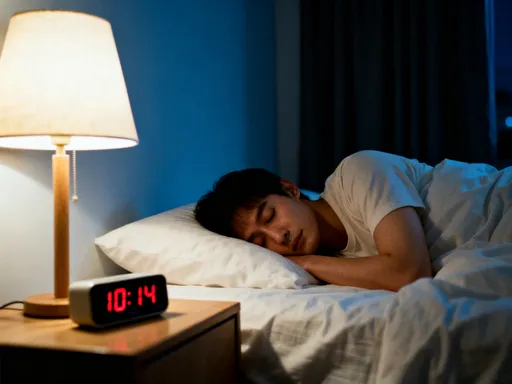
Sleep is one of the most powerful tools for stress recovery, yet it is often compromised by the very stress it could help alleviate. Poor sleep and stress form a vicious cycle: stress makes it harder to fall and stay asleep, and lack of sleep lowers the body’s ability to manage stress the next day. During deep sleep, the body repairs tissues, balances hormones, and clears metabolic waste from the brain. This nightly restoration is essential for maintaining emotional stability, cognitive function, and immune strength. When sleep is disrupted, the HPA axis remains overactive, cortisol levels stay elevated, and the body remains in a state of alertness, making it more vulnerable to illness and emotional strain.
Science-backed habits can significantly improve sleep quality and break this cycle. Maintaining a consistent bedtime and wake-up time—even on weekends—helps regulate the body’s internal clock, or circadian rhythm. This consistency makes it easier to fall asleep and wake up naturally. Another critical factor is screen wind-down: exposure to blue light from phones, tablets, and televisions suppresses melatonin, the hormone that signals sleep. Experts recommend turning off screens at least one hour before bed and engaging in calming activities such as reading a physical book, listening to soft music, or practicing gentle stretching. Creating a sleep-conducive environment also helps—keeping the bedroom cool, dark, and quiet signals to the brain that it is time to rest.
Quality sleep strengthens resilience in multiple ways. Well-rested individuals are better able to regulate emotions, make thoughtful decisions, and respond calmly to challenges. They also have stronger immune responses, reducing the likelihood of stress-related illnesses. For women, who often prioritize others’ needs over their own, protecting sleep is an act of self-preservation. It is not a luxury but a biological necessity. By treating sleep as a non-negotiable part of health—just like eating well or exercising—women can build a foundation for long-term well-being. Small changes, such as setting a bedtime alarm or using blackout curtains, can lead to significant improvements over time.
Building a Stress-Resilient Lifestyle
True stress resilience is not built through occasional grand efforts but through the steady accumulation of small, consistent habits. The strategies discussed—breathing techniques, brief movement, micro-breaks, and quality sleep—are most effective when woven into a personalized daily routine. Rather than aiming for perfection, the goal is progress. Some days will be smoother than others, and that is normal. What matters is the commitment to showing up for yourself, even in small ways. Over time, these practices retrain the body’s response to stress, making calmness more accessible and recovery faster. The focus should be on sustainability, not intensity—choosing methods that fit naturally into your life and bring a sense of ease rather than added pressure.
Every woman’s stress profile is different, influenced by personality, lifestyle, and responsibilities. Therefore, the most effective approach is to experiment and find what works best. Some may find morning stretching most helpful, while others benefit more from evening breathing exercises. The key is to remain flexible and compassionate with oneself. Building resilience is a gradual process, much like strengthening a muscle. It requires patience, repetition, and self-awareness. Journaling can be a useful tool in this journey—recording stress triggers, responses, and effective coping strategies helps identify patterns and track progress over time.
While self-care practices are powerful, they are not a substitute for professional support when stress becomes overwhelming. Persistent anxiety, chronic insomnia, or feelings of hopelessness should be discussed with a healthcare provider. Mental health is an integral part of overall health, and seeking help is a sign of strength, not weakness. Many women find value in talking to a counselor, joining a support group, or participating in stress management programs. Combining self-directed habits with professional guidance creates a comprehensive approach to well-being.
Managing stress is not about eliminating pressure from life—such a goal is neither realistic nor necessary. Life will always have demands, and some level of stress is natural and even motivating. The real objective is to build daily defenses that protect your mental and physical health. These simple, proven practices aren’t flashy, but they work. By making them part of your life, you’re not just feeling better now—you’re investing in a healthier, more resilient future.