Salt Was Sabotaging My Recovery — Here’s How I Fixed It Without Feeling Deprived
Living through rehab taught me something surprising: the real enemy wasn’t just my injury, but what I was putting on my food. I never thought salt could slow healing — until I cut back and felt real changes. Swelling dropped, energy rose, and my doctor noticed improvements they didn’t expect. This isn’t about bland meals or extreme restrictions. It’s about smart swaps, flavor that sticks, and healing from the inside out. If you're rebuilding your health, this low-salt shift might be the missing piece.
The Wake-Up Call: When My Recovery Hit a Wall
After a serious fall left me with a fractured knee and months of physical therapy ahead, I was determined to do everything right. I followed my rehab schedule, attended every session, rested when needed, and ate what I believed was a balanced diet. Yet, weeks passed with little improvement. My leg remained swollen, my energy levels were low, and I felt frustrated, even defeated. I expected progress, not stagnation. Then, during a routine check-up, my doctor paused while reviewing my blood pressure and lab results. “Have you considered your sodium intake?” she asked. I was stunned. Salt? I wasn’t eating chips or canned soup every day. How could that be the issue?
That moment sparked a shift in my understanding of recovery. My doctor explained that while I was focused on physical rehabilitation, I had overlooked a crucial internal factor: inflammation. Excess sodium, she said, contributes to fluid retention and elevated blood pressure, both of which impair circulation — a key player in healing. Poor circulation means fewer nutrients and oxygen reach damaged tissues, slowing recovery. I had been diligent about movement and rest, but unknowingly, I was fueling a process that worked against me. The idea that something as simple as salt could sabotage months of effort was both alarming and enlightening. It wasn’t about blame; it was about awareness. And from that day forward, I committed to learning exactly how sodium was affecting my body — and what I could do to change it.
Why Salt Matters More Than You Think in Recovery
Salt, or sodium chloride, plays a vital role in the body — it helps regulate fluid balance, supports nerve function, and aids muscle contractions. But like many things, balance is key. When sodium intake exceeds the body’s needs, the kidneys struggle to remove excess fluid, leading to water retention. This swelling, especially around injured areas, increases pressure on tissues and can delay healing. What many don’t realize is that this process isn’t just uncomfortable — it’s physiologically counterproductive. Fluid buildup restricts blood flow, limiting the delivery of essential nutrients like protein, vitamin C, and zinc, all of which are critical for tissue repair and collagen formation.
Beyond swelling, high sodium intake affects vascular health. Elevated sodium levels cause blood vessels to constrict, increasing blood pressure and reducing the efficiency of circulation. In the context of recovery, this means less oxygen reaches healing muscles, tendons, and bones. Studies have shown that patients with controlled sodium intake post-surgery experience faster wound healing and reduced complications. For example, research published in the American Journal of Clinical Nutrition found that lower sodium diets were associated with improved endothelial function — the health of the inner lining of blood vessels — which supports better blood flow and tissue regeneration. Another study tracking orthopedic recovery noted that individuals who reduced sodium had significantly less edema and reported higher energy levels within just two weeks.
The connection between salt and inflammation is also well-documented. Chronic, low-grade inflammation is a known barrier to healing, and excess sodium has been shown to activate immune cells that promote inflammatory responses. This doesn’t mean sodium causes injury, but it can prolong the body’s recovery phase. For someone already dealing with pain and limited mobility, adding systemic inflammation to the mix only makes the journey harder. The takeaway is clear: managing sodium isn’t just a heart-healthy choice — it’s a strategic move in any recovery plan. By reducing unnecessary sodium, you’re not depriving yourself; you’re optimizing your body’s natural ability to heal.
The Hidden Salt Trap: Where It Lurks in Everyday Foods
When I first decided to cut back on salt, I thought the solution was simple: stop using the salt shaker. I removed it from the table, avoided adding salt while cooking, and felt confident in my progress. But after a week, I still felt bloated and fatigued. That’s when I started reading nutrition labels — and what I discovered was eye-opening. Sodium wasn’t just in the obvious places like chips, bacon, or fast food. It was in my bread, my breakfast cereal, my salad dressing, and even the canned vegetables I thought were healthy. A single slice of store-bought bread could contain over 200 milligrams of sodium — and I was eating four slices a day. My “healthy” frozen meal? Over 900 milligrams in one serving. The reality hit me: processed and packaged foods are the primary source of sodium in most diets, accounting for nearly 70% of daily intake, according to the Centers for Disease Control and Prevention.
Common culprits include condiments like soy sauce, ketchup, and barbecue sauce, which can pack hundreds of milligrams per tablespoon. Canned soups, even low-fat or vegetable varieties, are often loaded with sodium to enhance shelf life and flavor. Cheese, deli meats, and flavored rice mixes are also major contributors. Even seemingly innocent items like yogurt, granola bars, and plant-based meat alternatives can contain surprising amounts of sodium. The problem is compounded by the fact that manufacturers use different names for sodium compounds — terms like monosodium glutamate (MSG), sodium bicarbonate (baking soda), sodium nitrate, and disodium phosphate — which can fly under the radar if you’re only scanning for “salt.”
To understand my true intake, I tracked everything I ate for three days. I was shocked to find my average sodium consumption was over 4,000 milligrams — more than double the American Heart Association’s recommended limit of 2,300 milligrams, and far above the ideal target of 1,500 for those with health concerns. The biggest offenders weren’t the snacks I expected, but the staples I relied on daily. This realization was a turning point. I learned that reducing sodium isn’t about willpower alone — it’s about awareness, education, and making informed choices. Reading labels became a non-negotiable habit, and I started prioritizing whole, unprocessed foods that naturally contain less sodium.
Flavor Without the Salt: Building a Tasteful Low-Sodium Diet
One of my biggest fears when cutting back on salt was that food would become bland and unsatisfying. After all, salt enhances flavor — it makes food taste richer, more complete. But I soon discovered that removing salt didn’t mean removing taste. In fact, it opened the door to a whole new world of flavor. I began experimenting with herbs and spices, learning how to layer tastes in a way I never had before. Garlic, rosemary, and thyme became my go-to trio for roasted vegetables and chicken. Lemon zest and fresh basil transformed a simple pasta dish into something vibrant and aromatic. Smoked paprika and cumin added depth to bean stews, while a splash of apple cider vinegar brought brightness to grain bowls.
The secret was in the technique. Instead of relying on salt to carry the flavor, I focused on building complexity. Sautéing onions and garlic in olive oil created a rich base for soups and sauces. Toasting spices before use unlocked their essential oils, intensifying their aroma. Fresh herbs added a burst of freshness, while dried herbs provided earthiness. I also discovered the power of umami — the so-called “fifth taste” — which gives food a savory, satisfying quality. Ingredients like mushrooms, sun-dried tomatoes, nutritional yeast, and roasted garlic are naturally high in umami and can make meals feel hearty without any added sodium.
One of my favorite discoveries was using citrus to elevate dishes. A squeeze of lemon over grilled fish or a drizzle of orange juice in a quinoa salad made flavors pop in a way salt never could. Vinegars — balsamic, red wine, rice — added tang and complexity. Even simple changes, like rubbing a steak with crushed black pepper and garlic powder instead of a salt-heavy seasoning blend, made a noticeable difference. Over time, my taste buds adapted. Foods I once thought were perfectly seasoned now tasted overly salty. What started as a medical necessity became a culinary awakening. I wasn’t eating less; I was eating better — with more variety, more color, and more joy.
Smart Swaps and Simple Meal Adjustments
Changing my diet didn’t require a complete overhaul — it was about making smarter choices within my existing routine. I started with small, sustainable swaps that added up over time. Instead of regular canned beans, I switched to no-salt-added varieties and rinsed them thoroughly, which reduced sodium by up to 40%. I began making my own broth from vegetable scraps and herbs, freezing it in portions for soups and stews — a simple step that eliminated the 800+ milligrams of sodium in a single cup of store-bought broth. I chose fresh or frozen vegetables without sauce, and when I did use canned tomatoes, I opted for low-sodium versions.
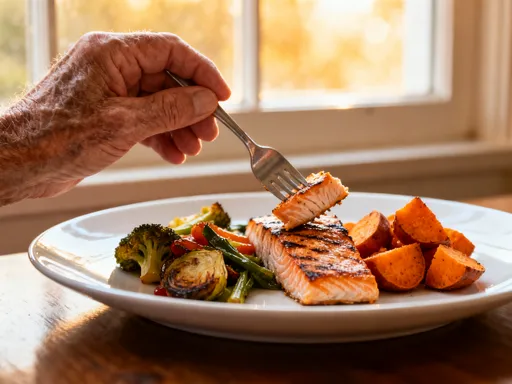
Breakfast, once a minefield of hidden sodium, became a highlight. Instead of processed cereals, I turned to oatmeal topped with fresh fruit, chia seeds, and a sprinkle of cinnamon. I made homemade muesli with unsalted nuts and dried fruit, avoiding the sugary, salty granola bars I used to grab in a rush. For lunch, I packed salads with leafy greens, grilled chicken, avocado, and a dressing I made with olive oil, lemon juice, and Dijon mustard — no preservatives, no hidden sodium. Dinner often featured baked salmon with roasted sweet potatoes and sautéed spinach seasoned with garlic and lemon.
One of the most helpful strategies was batch cooking. On Sundays, I’d prepare large portions of quinoa, roasted vegetables, and grilled chicken, storing them in glass containers for easy assembly during the week. This saved time, reduced stress, and ensured I always had a healthy, low-sodium option on hand. A sample day looked like this: breakfast of scrambled eggs with spinach and tomatoes; lunch of a lentil and kale soup made with homemade broth; dinner of turkey meatballs (using fresh herbs instead of seasoning salt) with zucchini noodles and marinara sauce I simmered myself. Snacks included unsalted almonds, apple slices with almond butter, or plain Greek yogurt with berries. These meals weren’t just low in sodium — they were rich in protein, fiber, antioxidants, and other nutrients that actively supported healing.
Staying on Track: Habits That Made the Difference
Sustainability was my biggest concern. I didn’t want this to be a short-term fix but a lasting change. What helped most were small, consistent habits that became part of my daily rhythm. I filled small jars with my favorite spice blends — one with garlic and onion powder, another with Italian herbs, a third with a smoky chili-lime mix — and kept them on the counter. That visual reminder made it easy to reach for flavor without salt. I also made it a rule to drink a glass of water before every meal, which helped with hydration and reduced false hunger cues that sometimes felt like salt cravings.
Cravings did happen, especially in the first two weeks. When they did, I allowed myself to enjoy a small portion of something salty — a few olives, a bite of cheese — rather than denying myself completely. This prevented feelings of deprivation and made the transition smoother. Social situations were trickier. Dining out required planning — I learned to check menus ahead of time, ask for dressings and sauces on the side, and request that dishes be prepared without added salt. Most restaurants were accommodating, especially when I explained it was for medical reasons. Over time, I stopped seeing these choices as limitations and began viewing them as acts of self-respect.
Tracking subtle changes also kept me motivated. I didn’t see dramatic weight loss, but I noticed less puffiness in my hands and ankles, deeper sleep, and a steady increase in energy. My doctor confirmed improvements in my blood pressure and reduced inflammation markers. These quiet victories reinforced the value of consistency. I shifted my mindset from “I can’t have salt” to “I choose to heal.” That mental reframe made all the difference — it turned restriction into empowerment, and discipline into care.
Working With, Not Against: Partnering With Healthcare Providers
I never tried to navigate this journey alone. My physical therapist, primary care doctor, and a registered dietitian were all part of my support system. Regular check-ins allowed us to monitor my progress, adjust my approach, and ensure I wasn’t missing essential nutrients. For example, when I cut back on processed foods, my sodium dropped — but my dietitian made sure I was still getting enough potassium, magnesium, and calcium, which help balance fluid and support muscle function. She also reminded me that everyone’s needs are different. Someone with kidney issues or heart failure may need stricter limits, while others might focus more on overall diet quality.
Medical guidance was especially important because I was still in rehab. My doctor monitored my healing markers and confirmed that the reduction in swelling wasn’t just subjective — it was measurable. This collaboration ensured that my dietary changes supported, rather than interfered with, my treatment plan. It also protected me from going to extremes. There’s a difference between reducing excess sodium and eliminating it entirely — the body still needs a small amount to function. Working with professionals helped me find that balance.
This experience taught me that healing is not a solo act. It’s a partnership between you and your care team, between science and self-awareness. No single change — not even a powerful one like lowering sodium — should replace medical advice. Instead, it should enhance it. By staying informed, asking questions, and staying connected to my providers, I made choices that were safe, effective, and sustainable.
Conclusion: More Than a Diet — A Healing Mindset
Lowering my salt intake didn’t just help my recovery — it changed my relationship with food and my body. It wasn’t about perfection. There were days I ate something salty, and that was okay. What mattered was the overall pattern, the intention, and the awareness. I learned to listen to my body, to honor its signals, and to support its innate ability to heal. This shift wasn’t a punishment; it was a promise — a daily commitment to well-being.
The effects went beyond the physical. I felt more in control, more capable, and more connected to my health journey. What started as a doctor’s suggestion became a cornerstone of a healthier lifestyle. And while my injury was the catalyst, the lessons I learned apply far beyond rehab. Food is not just fuel — it’s information, medicine, and care. By choosing whole, flavorful, low-sodium foods, I wasn’t just recovering from an injury. I was building a foundation for long-term wellness. Sometimes, the smallest changes make the deepest impact. And in my case, rethinking salt didn’t just help me heal — it helped me grow.