Why I Built a Smarter Health Habit—And You Can Too
Preventive healthcare isn’t about waiting for problems—it’s about staying ahead. I used to ignore small signs until burnout hit hard. Now, I follow a simple, systematic routine that’s changed how I feel every day. It’s not magic, just consistent choices. This is what actually works for long-term wellness, based on real experience and science. Always consult your doctor—this is guidance, not medical advice.
The Wake-Up Call: When Ignoring Prevention Backfired
For years, I believed that as long as I wasn’t in pain or seriously ill, I was healthy. I dismissed fatigue as part of being a busy woman managing work, family, and household responsibilities. Morning sluggishness? Normal. Afternoon crashes? Just needed more coffee. Occasional headaches, trouble sleeping, and low energy? All part of the routine. But over time, these small signals stacked up. What began as mild discomfort turned into persistent exhaustion, difficulty concentrating, and a weakened immune system that left me catching every seasonal bug. My body was speaking—quietly, consistently—but I wasn’t listening.
The turning point came during a routine check-up. My doctor reviewed my blood work and noticed subtle imbalances: slightly elevated inflammation markers, low vitamin D, and signs of metabolic stress. She didn’t diagnose a disease, but she did say something that stayed with me: 'Your body is compensating. Right now, it’s holding on. But it won’t be able to keep up forever.' That conversation was a wake-up call. I realized I had been treating my health reactively—waiting for something to go wrong before doing anything—instead of supporting my body before it reached a breaking point.
Reactive healthcare is the default for many people, especially women who often prioritize others’ needs over their own. We visit doctors when symptoms become unbearable, rely on quick fixes, and return to old habits once the crisis passes. But this cycle doesn’t build resilience. It only manages damage. Preventive care, in contrast, is about creating conditions where illness is less likely to take root. It’s the difference between repairing a roof after it leaks and inspecting it regularly to prevent leaks in the first place. My journey began not with a diagnosis, but with the decision to stop ignoring the early warnings and start building a stronger foundation.
What Preventive Healthcare Really Means (And Isn’t Just for Doctors)
Many people think of preventive healthcare as annual physicals, screenings, or vaccinations—important medical interventions, yes, but only one part of the picture. True preventive healthcare includes the daily choices that shape your long-term well-being: what you eat, how you move, how well you sleep, and how you manage stress. It’s not reserved for older adults or those with chronic conditions. In fact, the earlier you start, the greater the impact. Research consistently shows that lifestyle factors account for a significant portion of long-term health outcomes, often more than genetics or medical care alone.
One common misconception is that prevention is only necessary when you’re at high risk. But health is not a binary state—either sick or well. It exists on a spectrum, and where you fall depends on daily habits. Another myth is that preventive care requires drastic changes: strict diets, intense workouts, or expensive supplements. The truth is, small, sustainable actions have more lasting power than extreme overhauls. Eating one more serving of vegetables a day, walking 10 minutes after dinner, or going to bed 20 minutes earlier—these are preventive acts, too.
Prevention is also not about fear or anxiety over illness. It’s about empowerment. It’s choosing to invest in your body and mind so you can live with more energy, clarity, and strength. When framed this way, it becomes less of a chore and more of a life-affirming practice. You’re not avoiding sickness—you’re actively building wellness. And the best part? You don’t need a medical degree to do it. Every meal, every walk, every mindful breath is a step toward greater resilience. Preventive healthcare, at its core, is the practice of showing up for yourself, day after day, before anything goes wrong.
Building a System, Not Just Goals: The Power of Routine Design
Early in my journey, I set goals: lose five pounds, walk 10,000 steps a day, eat more greens. But goals alone didn’t stick. When motivation faded or life got busy, the habits fell apart. I realized I needed a system—a reliable structure that didn’t depend on willpower. Goals are about outcomes; systems are about processes. And it’s the process that determines long-term success. James Clear, author of *Atomic Habits*, puts it well: 'You do not rise to the level of your goals. You fall to the level of your systems.'
So I redesigned my approach. Instead of relying on motivation, I focused on consistency through routine design. I identified natural triggers in my day—like waking up, eating meals, or finishing work—and linked new habits to them. For example, after brushing my teeth each morning, I now do five minutes of stretching. After lunch, I take a short walk. Before bed, I write down three things I’m grateful for. These cues anchor the behavior, making it easier to remember and act. Over time, these actions became automatic, no longer requiring mental effort or decision-making.
I also built in tracking—not to obsess over perfection, but to stay aware. A simple checklist on my fridge helps me see which habits I’ve completed each day. Some days I miss one or two, and that’s okay. The system isn’t about flawless execution; it’s about showing up more often than not. By focusing on the routine rather than the result, I’ve created a framework that survives busy weeks, travel, and unexpected challenges. The power of a system is that it keeps working even when you’re not feeling inspired. And that’s exactly when it matters most.
The Core Pillars: What My Preventive Routine Actually Includes
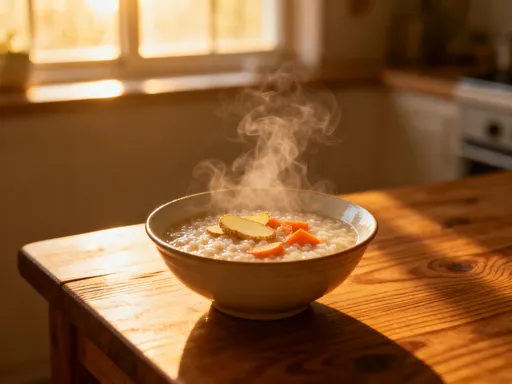
My preventive health routine rests on four foundational pillars: nutrition, movement, sleep, and stress regulation. These are not extreme or complicated—they are consistent and intentional. Nutrition comes first. I focus on whole, minimally processed foods: vegetables, fruits, lean proteins, whole grains, and healthy fats. I don’t count calories or follow rigid diets. Instead, I practice mindful eating—paying attention to hunger cues, eating slowly, and stopping when satisfied. This simple shift has improved digestion, stabilized my energy, and reduced emotional eating.
Movement is the second pillar. I’ve learned that daily activity matters more than intense workouts. While I enjoy occasional strength training or yoga, my focus is on consistency. A 20-minute walk after dinner, stretching in the morning, or taking the stairs instead of the elevator—these small efforts add up. The World Health Organization recommends at least 150 minutes of moderate-intensity aerobic activity per week for adults, and I aim to meet that without overexertion. The goal isn’t to train for a marathon; it’s to keep my body moving every day.
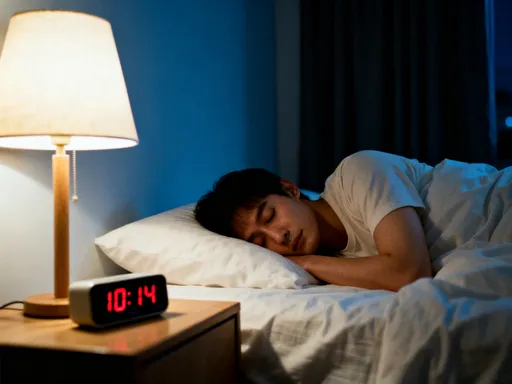
Sleep is non-negotiable. Poor sleep undermines every other health effort. I’ve established a bedtime routine: dimming lights an hour before sleep, avoiding screens, and drinking herbal tea. I aim for 7 to 8 hours nightly. On nights I fall short, I notice the difference—lower energy, irritability, brain fog. Protecting my sleep has improved my mood, focus, and immune function.
Finally, stress regulation. Chronic stress contributes to inflammation, weight gain, and hormonal imbalances. I manage it through daily practices: deep breathing, journaling, and spending time in nature. Even five minutes of quiet reflection can reset my nervous system. These four pillars work together—each supporting the others. When one area slips, I notice it in the rest. Together, they form a balanced, sustainable approach to staying well.
Tracking Progress Without Obsession: Tools That Actually Help
Tracking can be a powerful tool—if used wisely. Early on, I tried complex apps that demanded daily data entry: food logs, step counts, sleep scores. The pressure to be perfect made me anxious, and I eventually quit. I learned that simplicity works better. Now, I use a basic habit tracker: a printed grid on my refrigerator with checkboxes for key behaviors—drank enough water, moved for 20 minutes, ate vegetables, slept by 10:30 PM. Each night, I glance at it and check what I did. No scoring, no judgment—just awareness.
I also keep a small notebook for reflections. Once a week, I write a few sentences about how I’ve been feeling: energy levels, mood, digestion, sleep quality. Over time, patterns emerge. I noticed that on days I walked after dinner, I slept better. When I skipped breakfast, I felt more anxious by mid-morning. These insights help me adjust without needing advanced technology. Analog methods—pen and paper—feel less intrusive and more personal.
The goal of tracking isn’t perfection. It’s noticing. It’s seeing that small changes lead to real differences. I don’t record every meal or every minute of sleep. I focus on the big, meaningful habits. And when I miss a day—or even a week—I don’t erase the past. I just start again. The tracker isn’t a report card; it’s a mirror. It shows me where I’ve been, not where I’ve failed. By keeping it simple and compassionate, tracking has become a supportive tool, not a source of stress.
Facing Setbacks: How I Stay on Track Without Guilt
No system is immune to setbacks. Life happens. There are holidays, family events, work deadlines, and unexpected illnesses. I’ve missed workouts, eaten comfort food when stressed, and stayed up too late. In the past, these moments would trigger guilt and a cycle of giving up completely. 'I’ve already ruined it,' I’d think. 'I’ll start again on Monday.' But now, I’ve learned to respond differently.
My reset strategy is simple: one small win. Instead of waiting for the 'perfect' day to restart, I choose one tiny action—drink a glass of water, step outside for fresh air, do three deep breaths. Completing that small act rebuilds momentum. It reminds me that I’m still in charge of my choices. Progress isn’t linear. It’s more like a spiral—sometimes moving forward, sometimes circling back, but overall trending upward.
Self-compassion is now part of my health system. I talk to myself as I would to a friend: with kindness, encouragement, and patience. I remind myself that one meal, one night, or one week doesn’t define my health. What matters is the long-term pattern. Guilt keeps you stuck; compassion moves you forward. By treating myself with care, I’ve created a sustainable routine that can survive real life. And that’s the point—health isn’t about being perfect. It’s about being consistent, resilient, and kind to yourself along the way.
Making It Last: Turning Prevention Into a Lifestyle
What began as a personal health experiment has become a lasting lifestyle. Over the past two years, I’ve noticed real changes: fewer sick days, more stable energy, better digestion, and improved mood. I no longer dread winter cold season. I handle stress more calmly. I feel stronger, both physically and mentally. These benefits aren’t from a miracle cure—they’re the result of daily, intentional choices.
I’ve also shared this approach with my family. We now plan meals together, go for walks after dinner, and talk about how we’re feeling. Creating a health-positive environment has made it easier to stay consistent. My children see healthy habits modeled, not preached. My partner joins me in prioritizing sleep and downtime. We’re not perfect, but we’re moving in the same direction.
Preventive healthcare, I’ve learned, isn’t driven by fear of illness. It’s fueled by a desire to live well. It’s about feeling present for your family, enjoying your days, and having the strength to do what matters. It’s not a temporary fix or a punishment. It’s a life-affirming choice—a daily promise to care for yourself. And the most powerful part? It’s accessible to everyone. You don’t need a gym membership, a personal trainer, or a big budget. You just need the willingness to start small and keep going. Your health isn’t a project to complete. It’s a lifelong journey worth making smarter, one habit at a time.
Preventive healthcare is less about fear and more about freedom—the freedom to feel good, stay active, and live fully. My journey taught me that real change comes from simple, repeatable habits, not extreme fixes. This system works because it’s sustainable, personalized, and grounded in daily choices. Remember: always partner with healthcare professionals. Your health isn’t a project—it’s a lifelong commitment worth making smarter.