How I Fixed My Energy Slump with Simple Food Pairings
For years, I felt constantly drained—no matter how much I slept. After trying countless fixes, I discovered traditional Chinese medicine (TCM) doesn’t chase symptoms; it rebalances the body. The real game-changer? Everyday food combinations that support natural harmony. This isn’t about strict diets or quick fixes. It’s about eating smarter, in ways that actually work with your body. Here’s what finally made a difference for me.
The Hidden Cause of Chronic Fatigue
Chronic fatigue is often dismissed as a consequence of modern life—a packed schedule, too many responsibilities, or simply not getting enough rest. Yet, for many women in their 30s, 40s, and beyond, sleep alone doesn’t resolve the persistent heaviness, brain fog, or afternoons spent searching for another cup of coffee. In traditional Chinese medicine, this ongoing exhaustion is not viewed as inevitable, but as a signal of deeper imbalance, particularly in the flow and production of Qi—the vital energy that sustains all bodily functions. According to TCM, fatigue is frequently linked to weakened Spleen and Stomach Qi, organs responsible not just for digestion but for transforming food into usable energy.
The Spleen, in TCM theory, acts like a gentle furnace, extracting nourishment from food and distributing it throughout the body. When this digestive fire is dampened by poor eating habits, the body struggles to produce sufficient Qi, leading to a constant sense of depletion. One of the most common yet overlooked culprits is improper food combining—eating foods that are energetically conflicting or difficult to digest together. For example, consuming raw salads with heavy proteins like grilled chicken or steak can overwhelm the digestive system. Raw foods are considered cooling and require more internal heat to break down, while meats are dense and slow to digest. When combined, they create a sluggish digestive process, leaving the body with less energy to draw from and more to expend on digestion.
Modern diets often rely on quick fixes for energy—sugary snacks, energy drinks, or multiple cups of coffee. While these may offer a brief surge, they ultimately contribute to Qi deficiency by overstimulating the system and creating blood sugar spikes and crashes. Over time, this pattern exhausts the adrenal and digestive systems, making natural energy production even more difficult. TCM teaches that true vitality comes not from stimulation, but from nourishment and balance. By aligning meals with the body’s natural rhythms and digestive capacity, it becomes possible to restore steady energy without artificial boosts. The journey begins with recognizing that food is not just fuel—it is medicine when chosen wisely.
Why Food Combining Matters in TCM
In Western nutrition, the focus is often on macronutrients—proteins, fats, and carbohydrates—and calorie counts. Traditional Chinese medicine takes a different approach, emphasizing the energetic properties of food: its thermal nature (whether it is warming, cooling, or neutral), its flavor (sweet, sour, bitter, pungent, or salty), and how it moves through the body. These qualities determine how a food affects Qi flow and organ function. For instance, warming foods like ginger, cinnamon, and cooked root vegetables support digestive fire, while cooling foods such as cucumber, tofu, and raw greens can soothe inflammation but may hinder digestion if consumed in excess or at the wrong time.
Food combining in TCM is not about rigid rules but about harmony. The goal is to support the body’s natural ability to digest and absorb nutrients without strain. One foundational principle is protecting the “digestive fire,” or the metabolic heat needed to break down food. Drinking icy water during meals, for example, is discouraged because it is believed to extinguish this internal warmth, much like pouring water on a campfire. Instead, warm or room-temperature beverages are recommended to maintain optimal digestive function. Similarly, eating large amounts of raw, cold foods at dinner—when the body’s energy is naturally winding down—can burden the Spleen and lead to bloating, fatigue, and poor sleep.
The five flavors in TCM each correspond to specific organs and functions. Sweet foods like pumpkin, sweet potato, and rice nourish the Spleen and Stomach, but excessive sweetness—especially from refined sugars—can create dampness, a TCM term for sluggishness and mucus buildup. Sour foods such as lemon and vinegar can tighten tissues and benefit the Liver, while pungent flavors like garlic and onions help circulate Qi and dispel cold. Bitter foods like leafy greens clear heat, and salty foods like seaweed and miso support the Kidneys. When meals are balanced across these flavors and thermal natures, digestion improves, energy stabilizes, and the body feels more resilient. The key is not elimination, but thoughtful combination and timing.
My Turning Point: A Real-Life Experiment
After years of feeling tired despite a healthy lifestyle, I decided to look beyond conventional advice. I exercised regularly, drank plenty of water, and avoided processed foods, yet my energy levels remained unpredictable. Mornings were especially difficult—I’d wake up groggy, rely on coffee to function, and crash by mid-afternoon. It wasn’t until I consulted a licensed TCM practitioner that I began to understand how my eating habits might be working against me. She explained that my breakfast of cold yogurt with fruit, while nutritious on paper, was energetically cooling and hard to digest first thing in the morning, when the body’s digestive fire is still waking up.
With her guidance, I began a simple two-week experiment: I replaced cold breakfasts with warm, cooked meals like congee (a rice porridge), steamed vegetables, and small portions of lightly cooked fish or tofu. I eliminated raw salads at lunch and instead focused on warm soups, stir-fried vegetables, and whole grains. I also stopped drinking iced water and switched to warm herbal teas or room-temperature water throughout the day. The changes were small, but the results were noticeable within days. My morning clarity improved, and I no longer needed a second cup of coffee. Digestion became smoother, bloating decreased, and my energy felt more consistent from morning to evening.
One of the most surprising shifts was in my mental focus. Without the midday slump, I found it easier to concentrate on tasks and felt more present with my family. I also began to notice how certain combinations affected me personally. For example, eating a warm bowl of millet porridge with pumpkin in the morning gave me sustained energy, while a cold smoothie—even with healthy ingredients—left me feeling sluggish within an hour. These observations weren’t based on calorie counts or macronutrient ratios, but on how the food made my body feel. This shift in awareness—from external metrics to internal signals—was transformative. It taught me to trust my body’s wisdom and make choices that supported long-term balance rather than short-term convenience.
Three Effective Food Pairings That Work
One of the most empowering aspects of TCM is its practicality. Simple, everyday ingredients can be combined in ways that enhance digestion, strengthen organs, and boost energy. Over time, I identified three pairings that consistently made a difference in my well-being. These are not exotic or difficult to prepare, but rooted in traditional wisdom and accessible to anyone looking to eat more harmoniously.
The first is ginger with carrots. Ginger is a warming herb that stimulates digestive fire and helps move Qi, while carrots are sweet, nourishing, and support the Spleen. When cooked together—such as in a simple sauté or soup—this combination gently warms the digestive system and improves nutrient absorption. I often start my day with a small bowl of carrot-ginger congee, and it has become a reliable way to kickstart my metabolism without strain. The slight heat from the ginger encourages circulation, while the natural sweetness of the carrot soothes the stomach, making it ideal for those with sensitive digestion.
The second pairing is black beans with rice. In TCM, the Kidneys are considered the root of vitality and are nourished by foods that are dark in color and rich in essence. Black beans are believed to tonify Kidney Qi and support longevity, while rice—especially brown or black rice—provides grounding energy and strengthens the Spleen. When eaten together, this combination creates a complete protein and supports both Kidney and digestive health. I prepare this as a simple one-pot meal, simmering soaked black beans with rice, a piece of kombu for easier digestion, and a dash of soy sauce. It’s hearty, satisfying, and keeps energy levels stable for hours.
The third pairing is pumpkin with millet. Both are sweet, warming, and deeply nourishing to the Stomach and Spleen. Millet is easy to digest and helps dry dampness, while pumpkin supports digestion and boosts immunity. Cooked together into a soft porridge, this meal is especially beneficial in the morning or during times of fatigue. I often add a pinch of cinnamon for extra warmth and a drizzle of sesame oil for grounding fats. This combination has become my go-to when I feel run down or need a gentle reset. It’s comforting, easy on the stomach, and provides slow-releasing energy that lasts.
Foods to Separate for Better Digestion
Just as important as what we eat is how we combine it. TCM emphasizes that certain food pairings, while common in modern diets, can create digestive conflict and deplete Qi over time. One of the most common mistakes is eating fruit immediately after a cooked meal. Fruits digest quickly and ferment when held in the stomach behind slower-digesting foods, leading to bloating, gas, and discomfort. In TCM, this is seen as a disruption of Stomach Qi. A better approach is to eat fruit on an empty stomach, ideally in the morning or as a mid-morning snack, allowing it to move through the digestive tract efficiently.
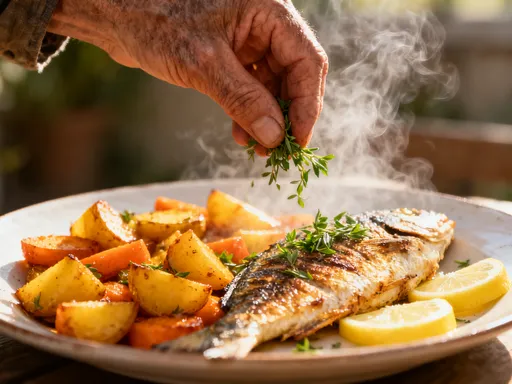
Another conflicting combination is dairy with fish. Both are considered cooling in nature, but dairy is heavy and mucus-forming, while fish is more easily digested. When eaten together, especially in large quantities, they can create dampness and sluggishness. While this pairing exists in some cuisines, TCM suggests consuming them at different times or balancing them with warming herbs like ginger or garlic to aid digestion. For example, if serving fish, it’s better to pair it with cooked vegetables and a small portion of grain rather than a creamy sauce or cheese.
Drinking cold water during meals is another habit that can impair digestion. As previously mentioned, cold beverages dampen the digestive fire, making it harder for the Spleen to transform food into energy. This is especially important for women who may already experience signs of Qi deficiency, such as fatigue, loose stools, or poor appetite. Instead, sipping warm water or a mild herbal tea like chrysanthemum or peppermint during meals supports digestion and helps the body absorb nutrients more effectively. These small adjustments may seem minor, but over time, they reduce digestive strain and contribute to greater vitality.
Building a Balanced Daily Routine
TCM views health as a reflection of rhythm and balance, not just isolated food choices. The body follows natural cycles, and aligning meals with these rhythms can significantly enhance energy and digestion. One of the most effective principles I’ve adopted is eating in harmony with the body’s internal clock. According to TCM, digestive fire is strongest between 7 a.m. and 9 a.m., making breakfast the ideal time to consume warm, nourishing foods that support Spleen Qi. A hearty breakfast—such as congee, steamed buns, or a warm grain bowl—provides the foundation for sustained energy throughout the day.
Lunch, eaten between 11 a.m. and 1 p.m., should be the largest meal. This is when the body’s energy is most active, and the Stomach is primed to process food efficiently. A balanced lunch might include a warm soup, cooked vegetables, a moderate portion of protein, and a serving of whole grains. Eating mindfully at this time allows the body to extract maximum nourishment. In contrast, dinner—best consumed before 7 p.m.—should be light and easy to digest. The body’s energy begins to turn inward in the evening, focusing on rest and repair. A heavy meal at night can disrupt this process, leading to poor sleep and morning fatigue.
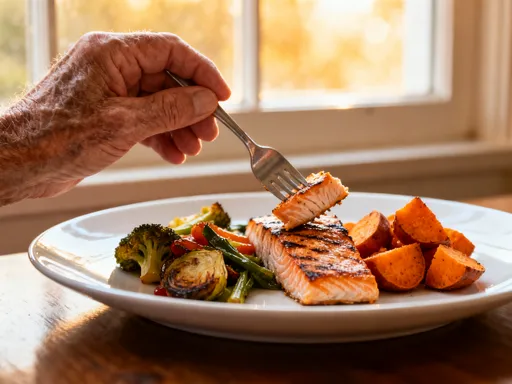
A sample day might include millet and pumpkin porridge for breakfast, a miso soup with tofu and vegetables for lunch, and a small bowl of steamed fish with bok choy and rice for dinner. Snacks, if needed, are best kept simple—such as a small handful of soaked almonds, a piece of cooked apple, or a cup of warm herbal tea. The goal is not perfection, but consistency. Over time, this rhythm supports stable blood sugar, improved digestion, and deeper rest. It’s a gentle, sustainable way to care for the body that fits seamlessly into family life.
When to Seek Professional Guidance
While dietary adjustments can have a profound impact, they are not a substitute for personalized medical care. Traditional Chinese medicine is a comprehensive system that includes acupuncture, herbal medicine, and lifestyle counseling, all tailored to the individual. If fatigue, digestive discomfort, or other symptoms persist despite changes in diet, it’s important to consult a licensed TCM practitioner or integrative healthcare provider. They can assess your unique constitution, identify underlying imbalances, and recommend targeted treatments.
For example, chronic fatigue may be linked to deeper patterns such as Kidney Qi deficiency or Liver Qi stagnation, which require more than dietary changes alone. A practitioner might suggest specific herbal formulas, acupuncture sessions, or stress management techniques to support healing. Likewise, women navigating perimenopause or recovering from illness may benefit from a more structured approach to rebuilding energy. Professional guidance ensures that self-care efforts are safe, effective, and aligned with your body’s needs.
It’s also important to remember that healing is not linear. There will be days when old habits resurface or energy dips despite best efforts. This is normal. What matters is the long-term direction—moving toward greater balance, awareness, and resilience. By combining personal observation with professional insight, it becomes possible to create a sustainable path to wellness that honors both tradition and modern life.
Adjusting my diet through TCM principles didn’t transform me overnight—but it gave me something lasting: steady energy, better digestion, and a deeper connection to how food truly nourishes the body. It’s not about rigid rules, but mindful choices that support natural balance. By understanding simple food combinations, anyone can start building wellness from the plate up—gently, effectively, and sustainably.